











When I was eleven, I wanted to be a board game inventor.
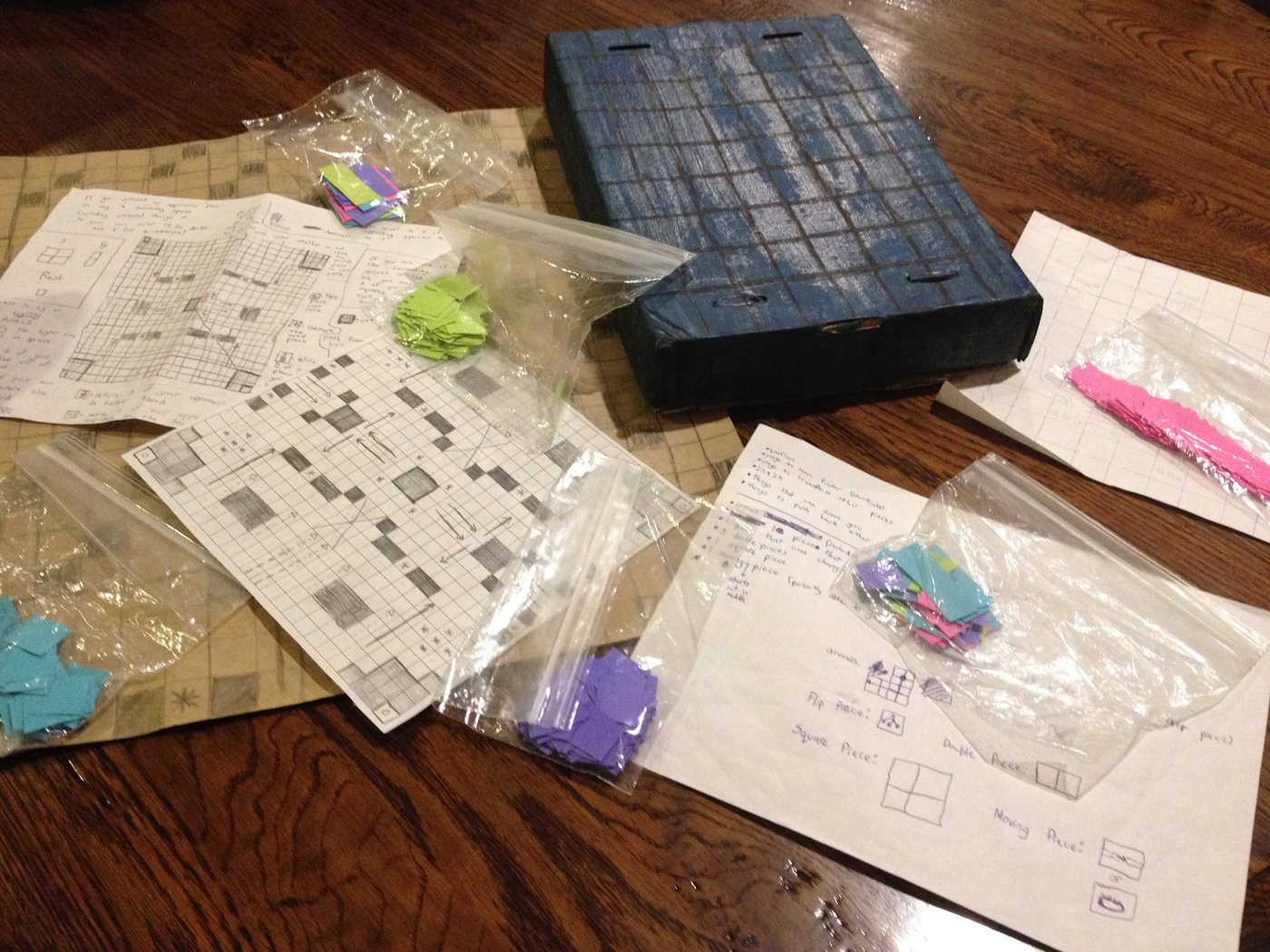
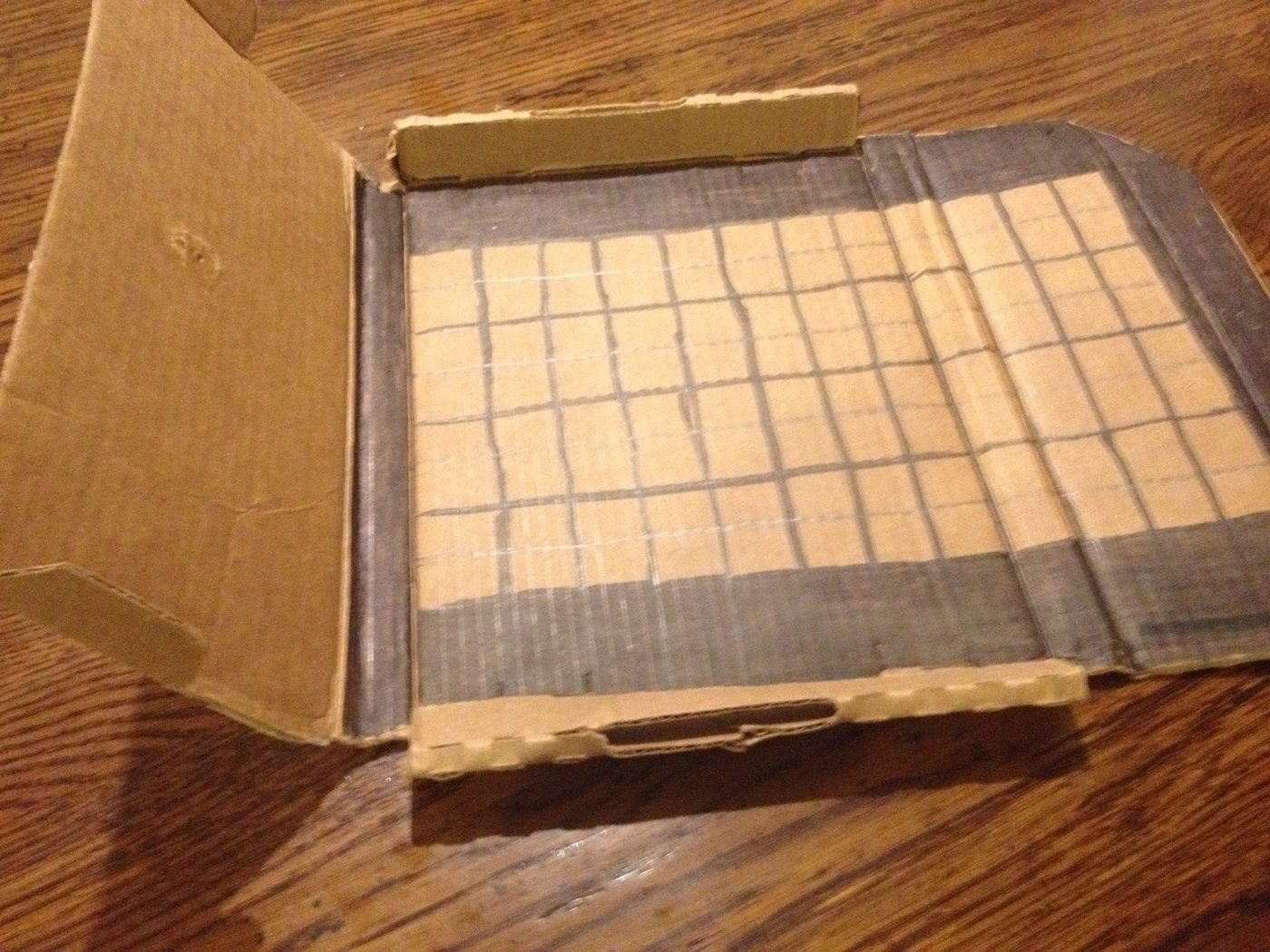
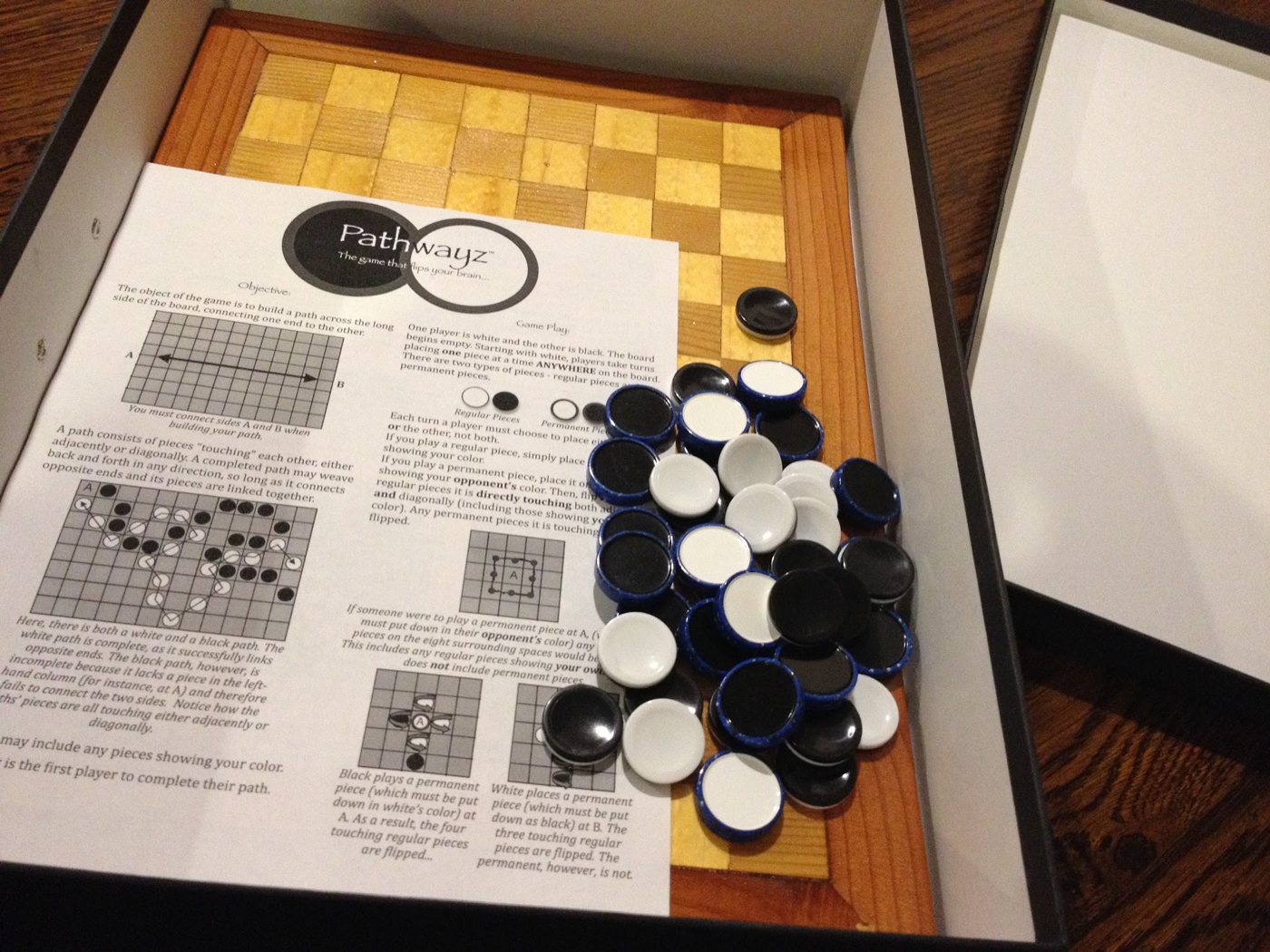
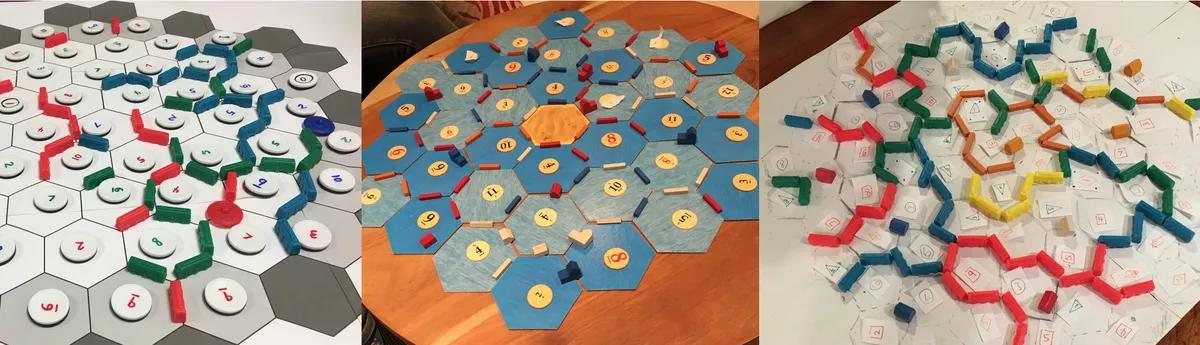
In a flurry of colored paper and cardboard, I designed a game and called it...
because I was 11)
A local retailer, Go! Games, agreed to look at Pathwayz.
We played once, and then again.
“Louis,” they said, “this is a great game. We’ll put you in touch with a publisher.”
The publisher asked me to send a prototype, then offered to publish Pathwayz.
But before we signed a contract, the publisher went bankrupt.
Another publisher, this time in Canada, said yes.
But then the European economy crashed, and with it went their largest market. They paused publishing new games.
I thought that was the end of the story.
Until one day, Go! Games, the retailer where I’d begun, decided to enter the publishing industry and offered to publish Pathwayz themselves.
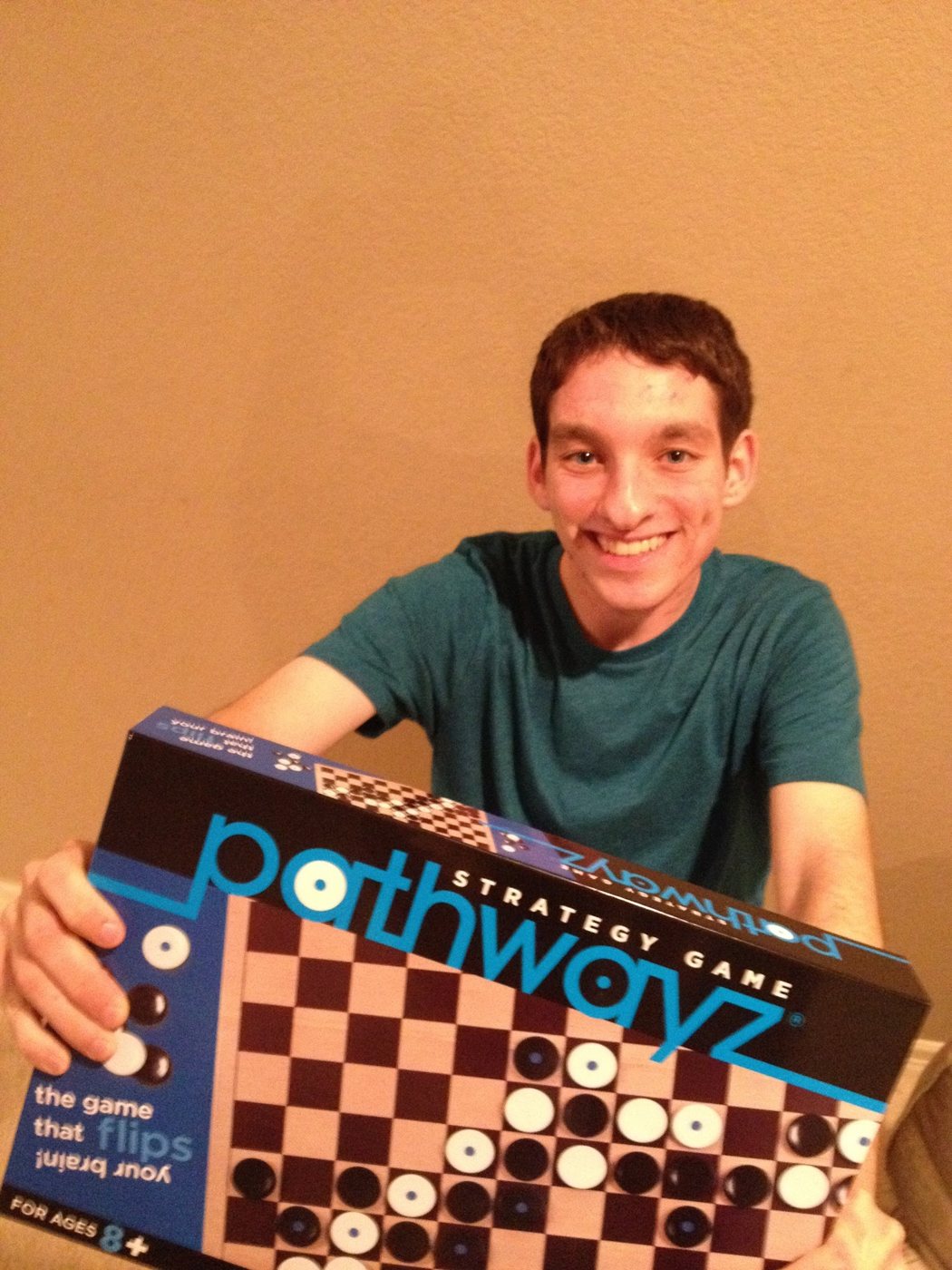
After eight years, Pathwayz arrived on shelves.
It won Dr. Toy Best Pick of 2014, was recommended by Mensa, and sold at Barnes & Noble and stores across North America.
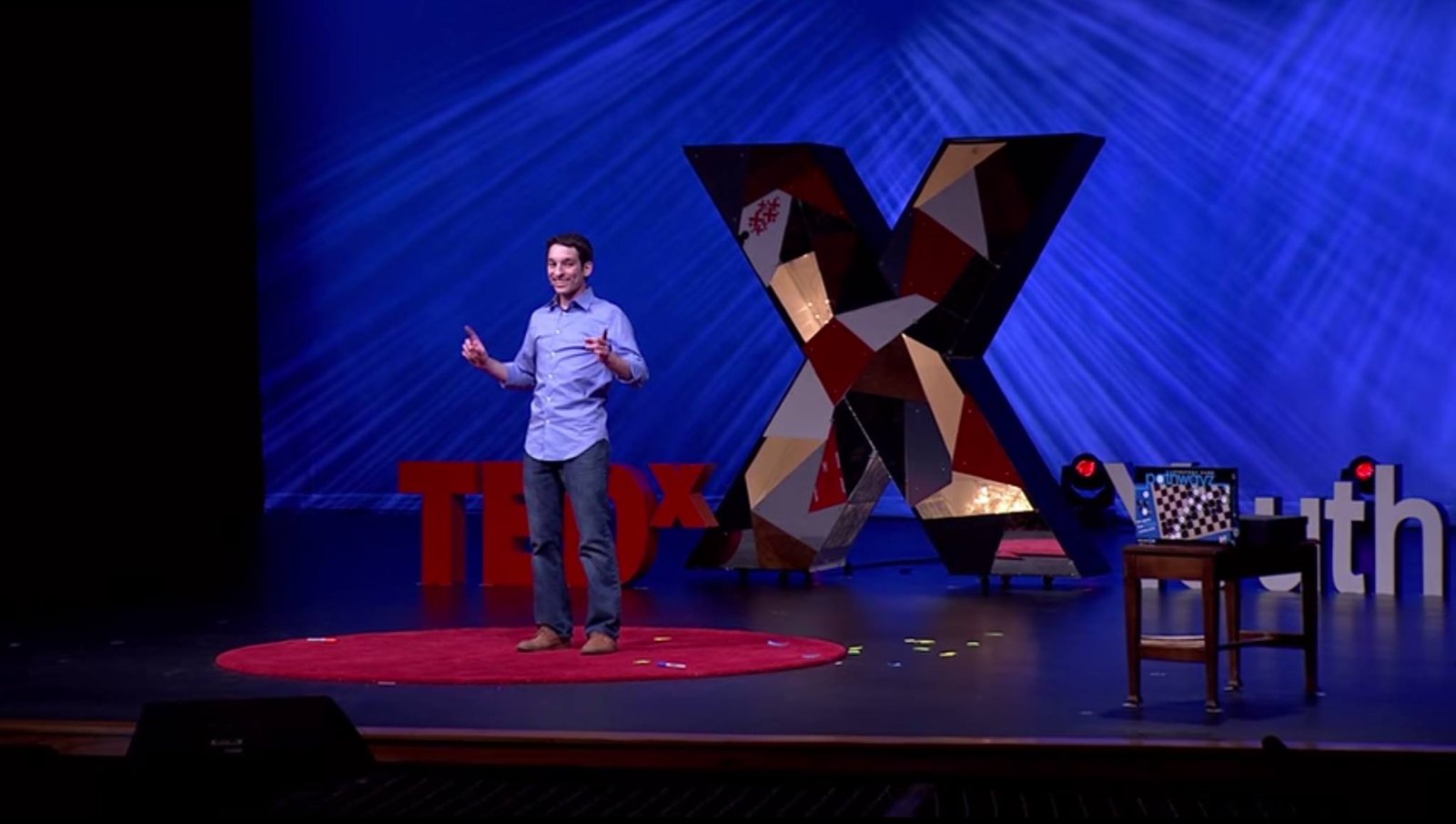
I spoke about Pathwayz at a TEDx event and on TV.
People sometimes asked me, “Do you always win at your own game?”
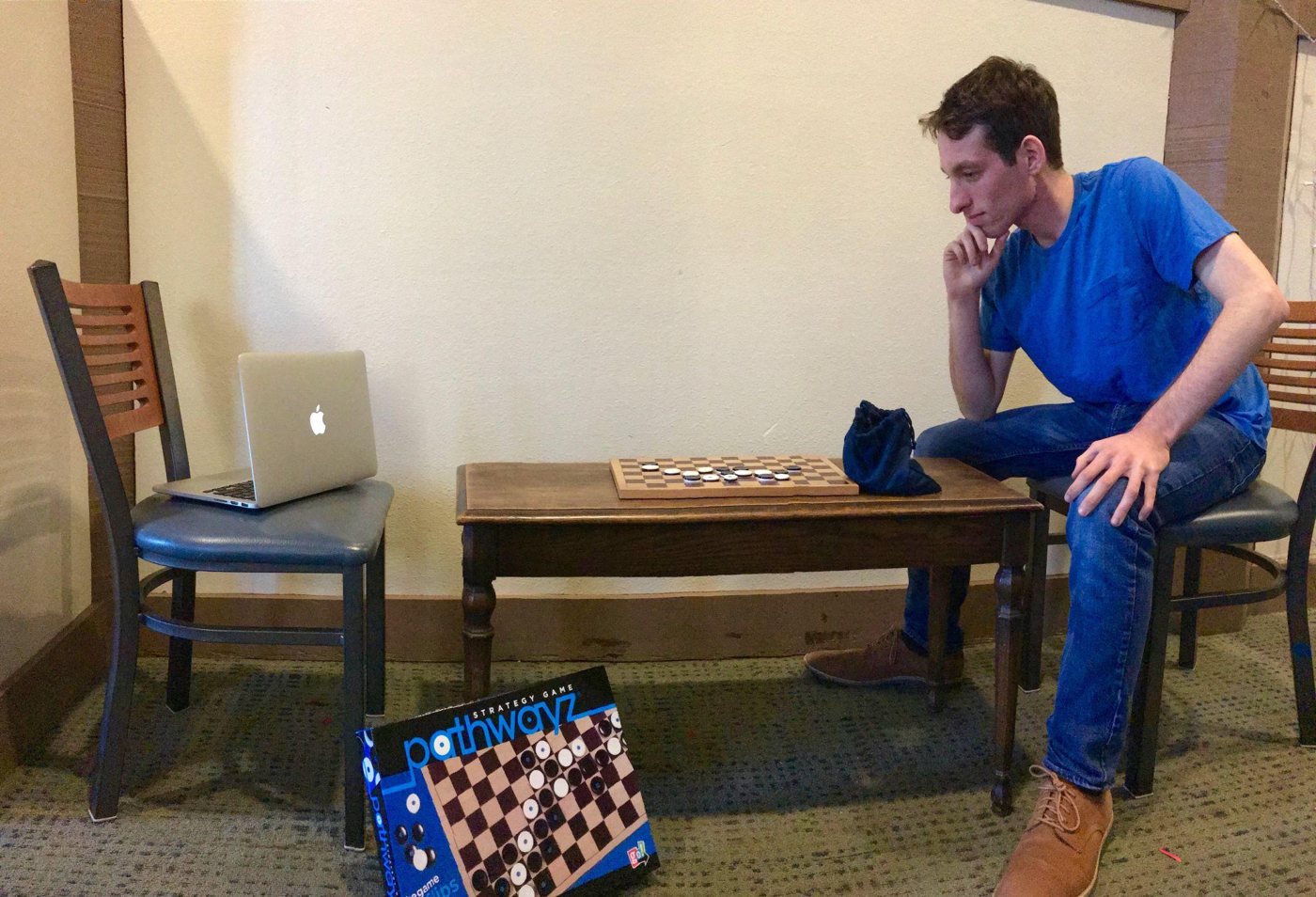
Definitely not. I’ve even lost to a computer.
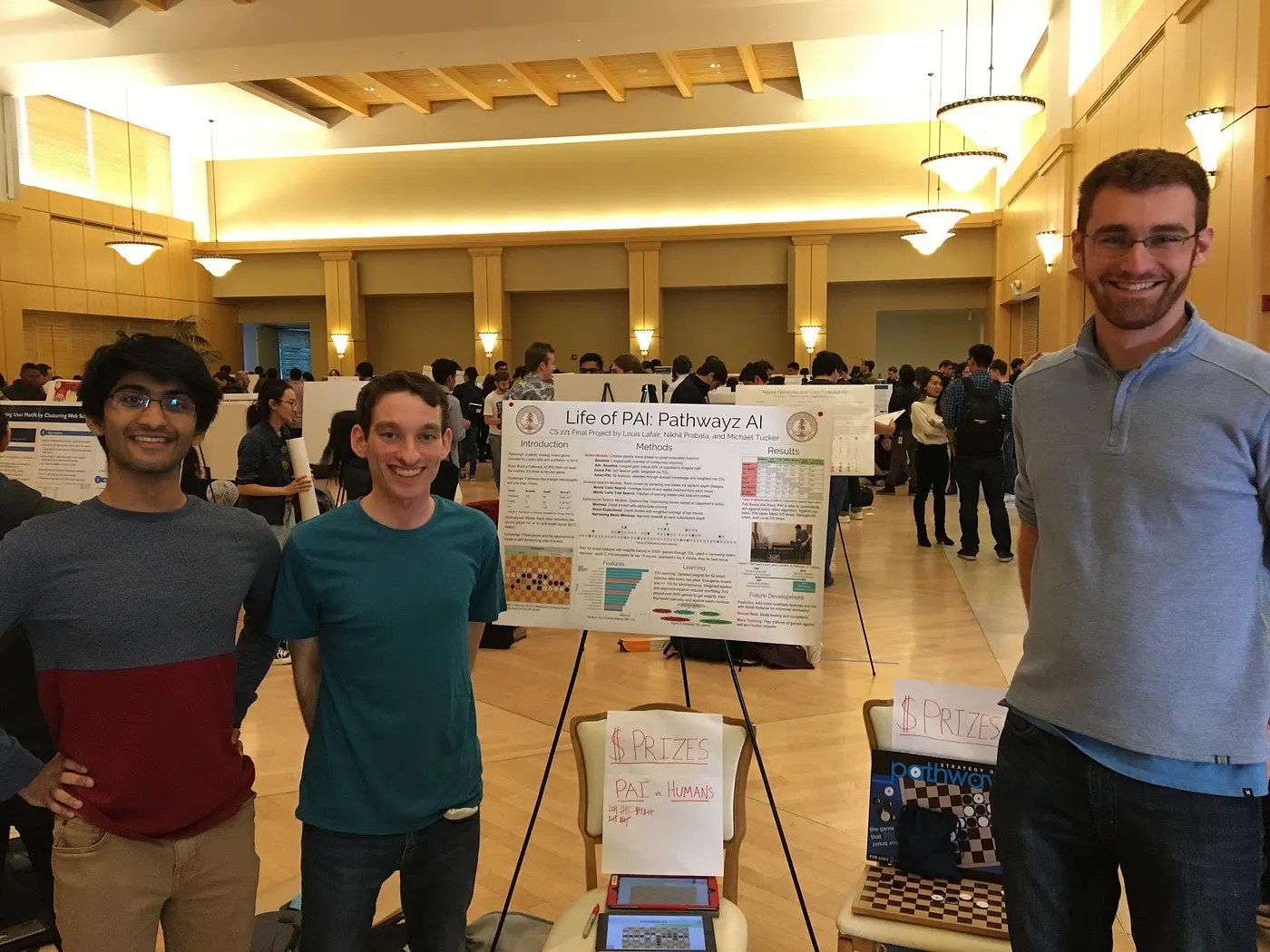
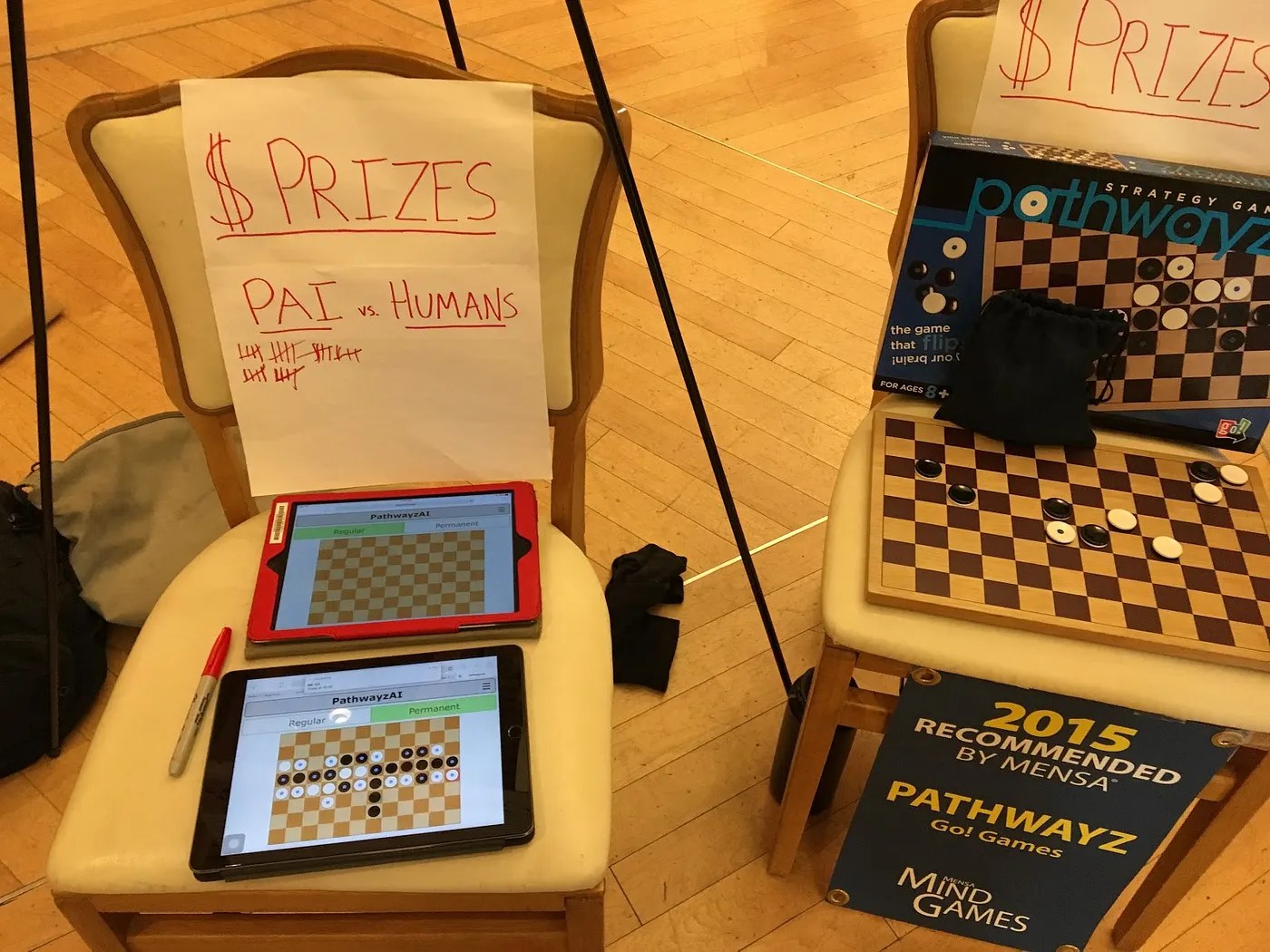
At Stanford, two friends and I built PAI, a Pathwayz AI that we trained with temporal difference learning.
PAI won 33 out of 33 games against amateur human players...
...and it beat me 3 out of 5 times.
Over time, I kept tinkering with new game ideas.
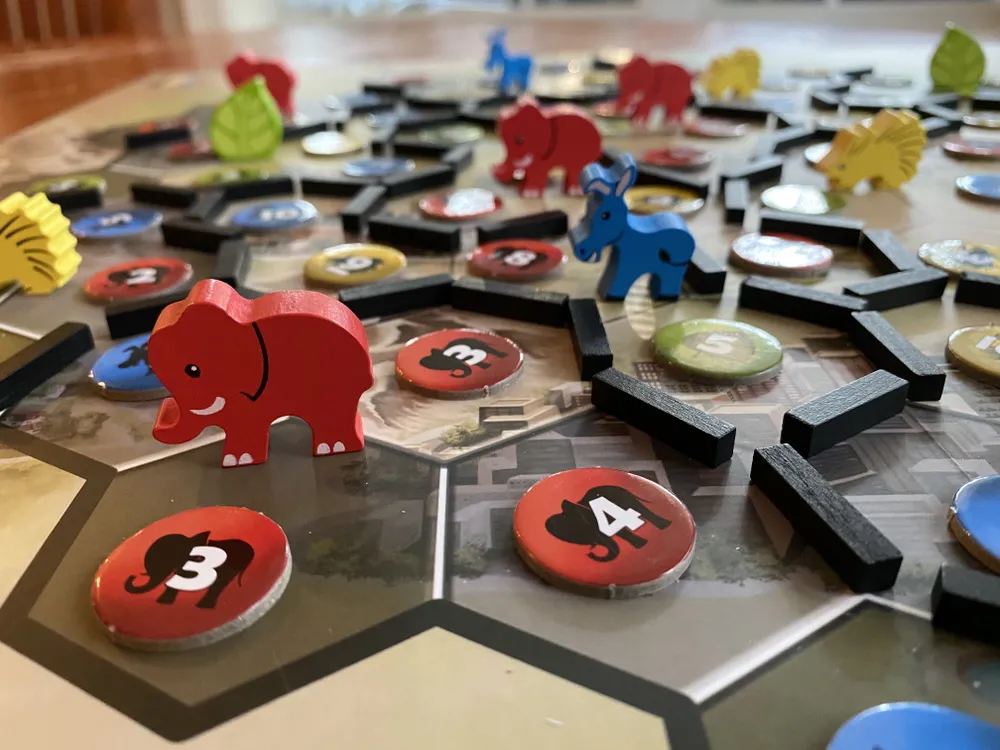
I wondered: are there any board games about gerrymandering? There weren’t at the time.
Gerrymandering has all the elements of a game: scheming, strategizing, backstabbing.
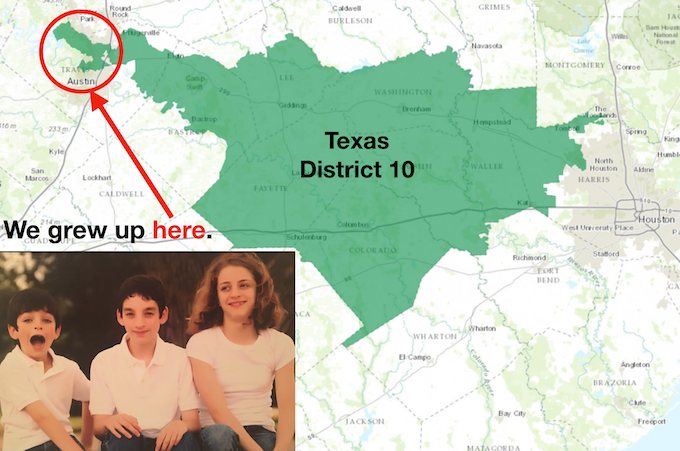
My siblings and I grew up in a gerrymandered district in Austin, Texas.
Gerrymandering is when politicians draw their district borders to benefit themselves. For example, imagine 25 voters, 15 blue and 10 red, split into five districts.
With even representation, you might expect blue to win three districts and red to win two.
But if politicians “pack” blue voters into two districts, red can win three districts, despite having fewer voters.
If politicians “crack” red voters across districts, red never has a majority, and blue can win all five.
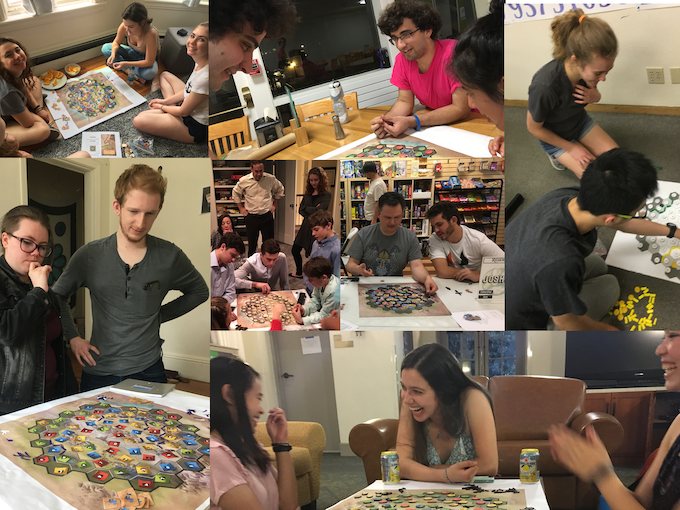
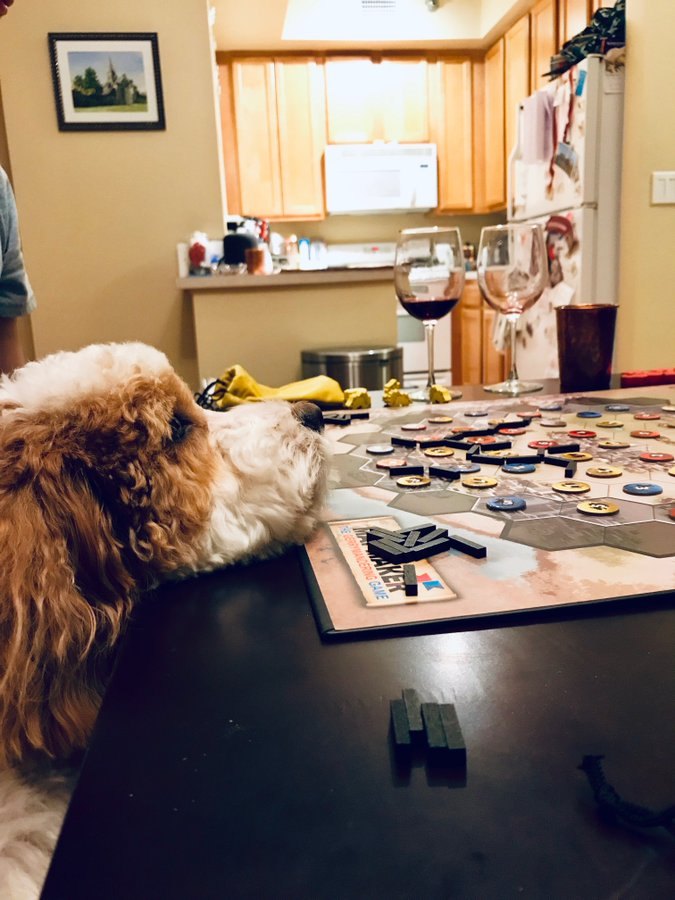
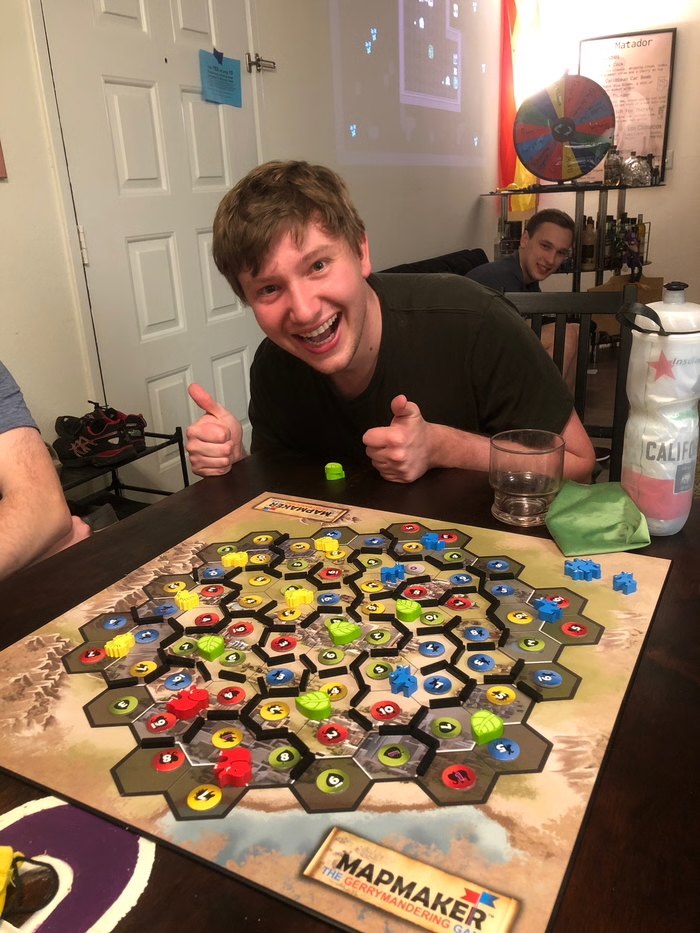
My siblings and I playtested with more than one hundred people over the course of a year.
We decided to run a Kickstarter campaign. We didn’t know how the campaign would go. We’d never run a Kickstarter before.
We clicked the “Launch” button and hoped for the best.
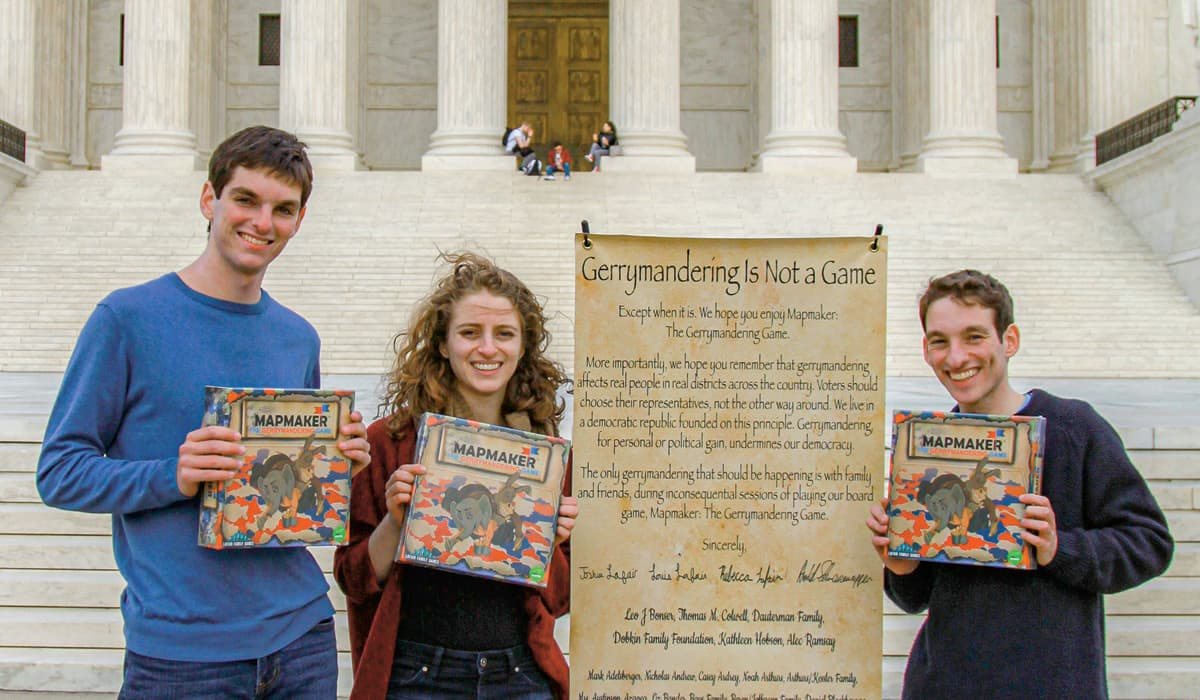
Soon people started ordering the game. We’d included categories that sent copies to politicians with a “Gerrymandering Is Not a Game” proclamation.
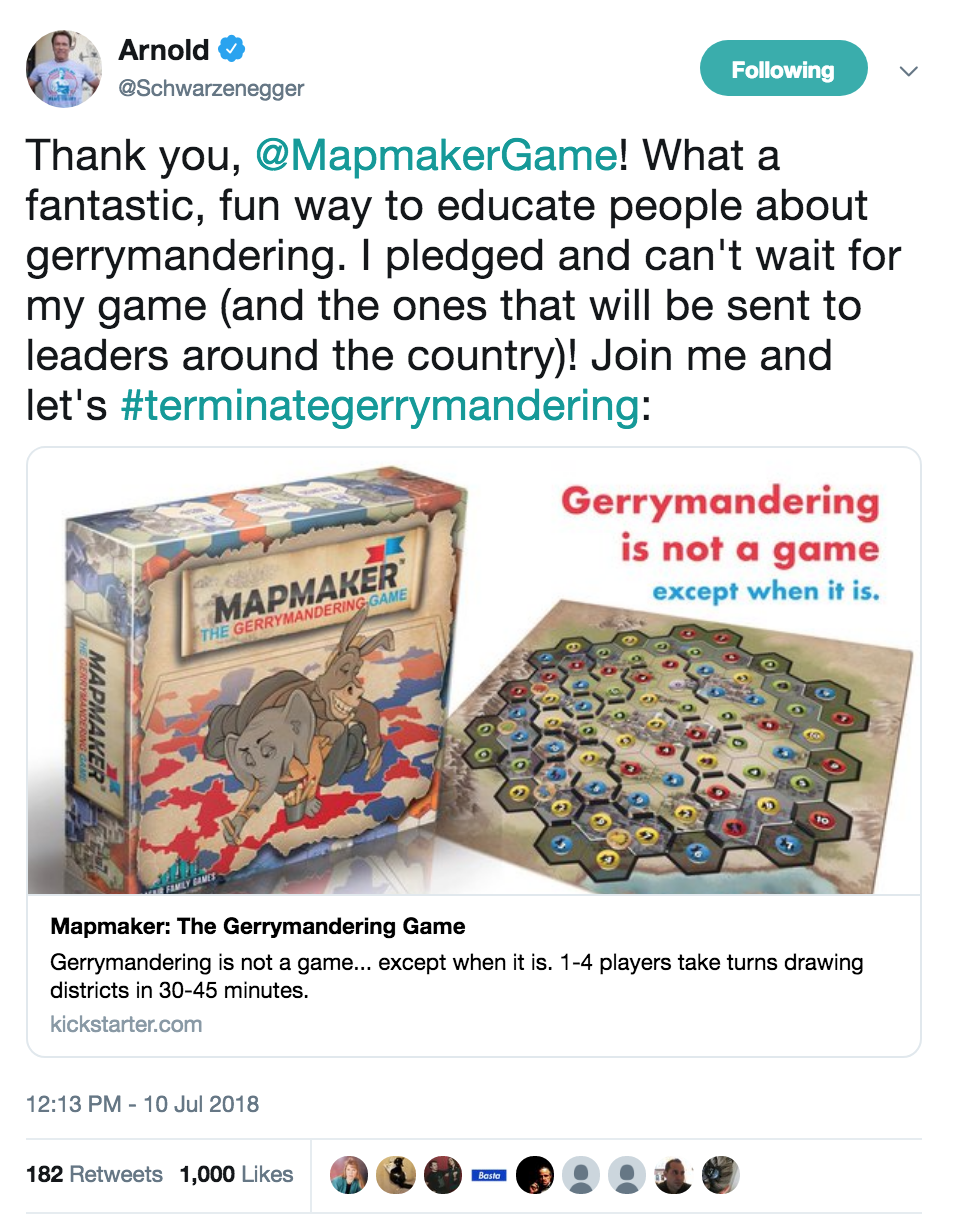
A few hours into the campaign, funding shot up $3,000 with a Super PAC pledge, and Arnold Schwarzenegger tweeted his support.
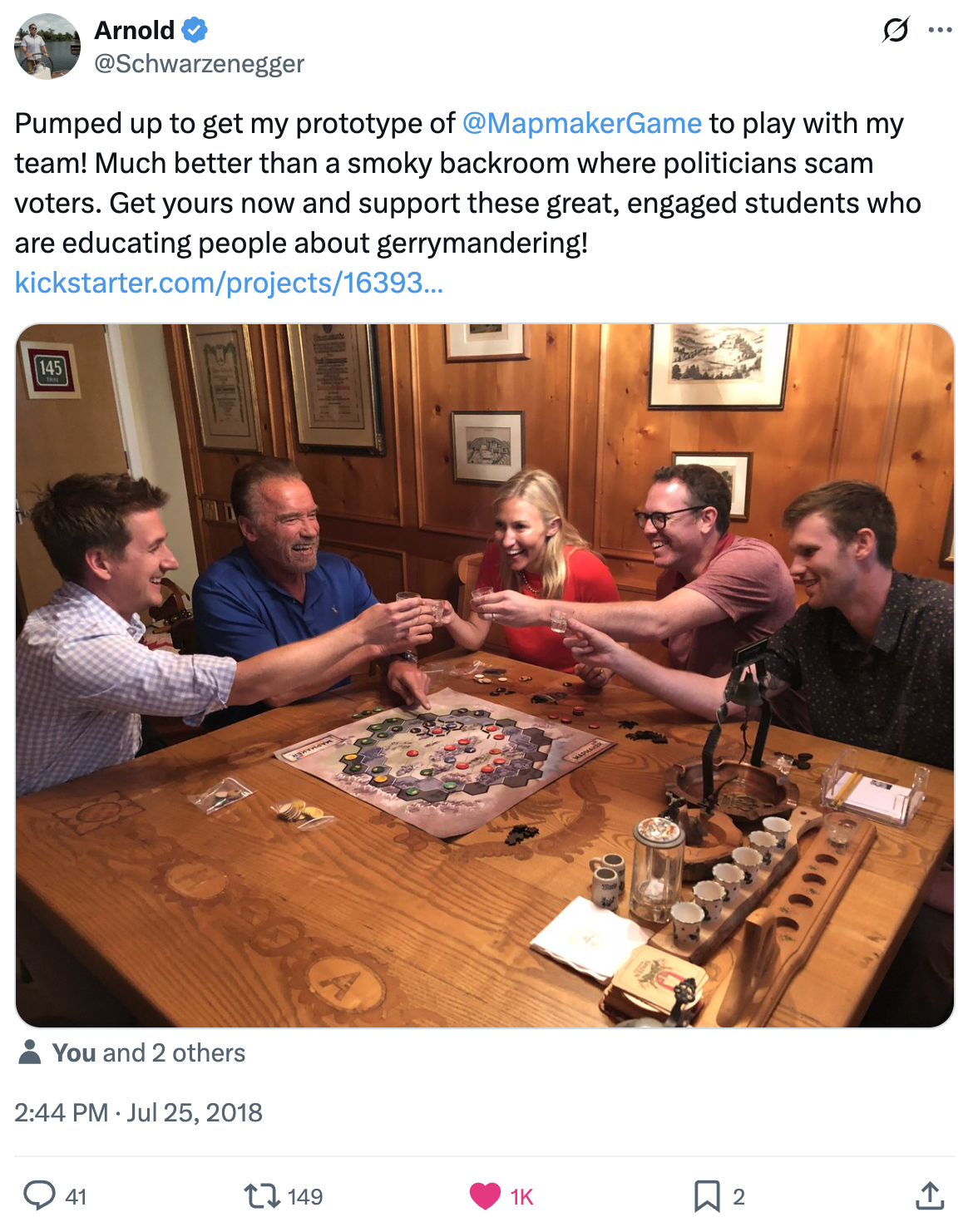
Then he posted again two weeks later.
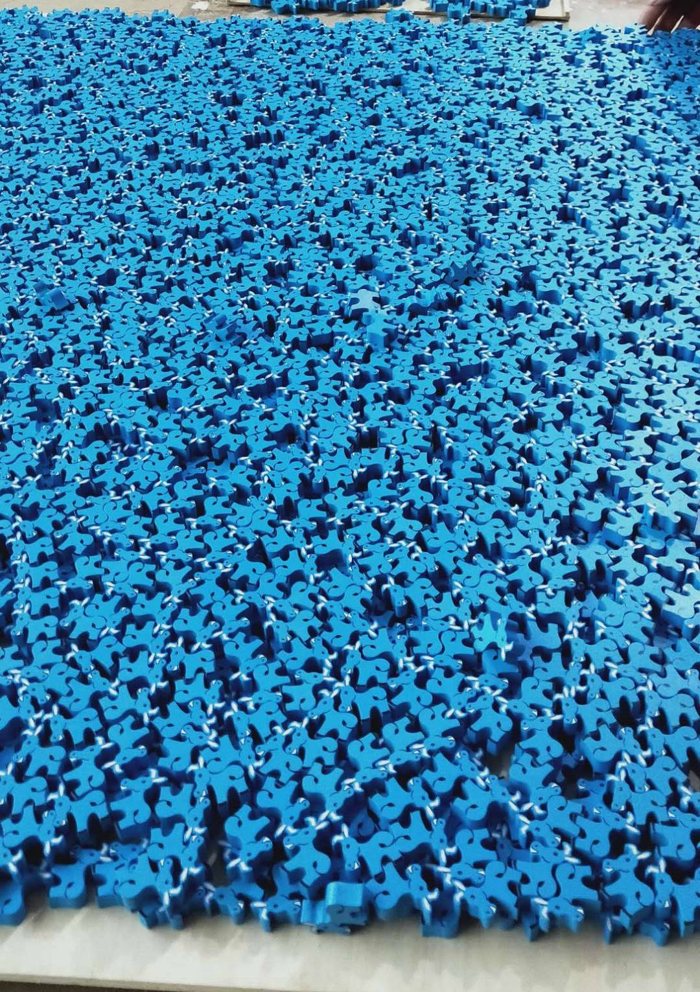
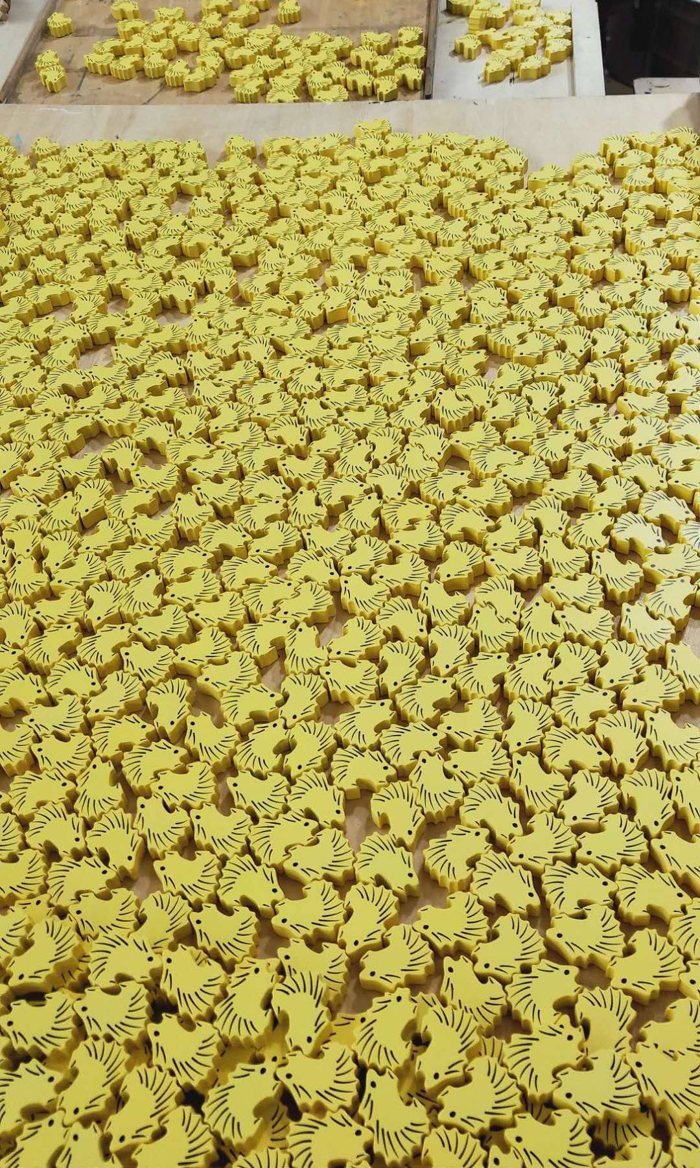
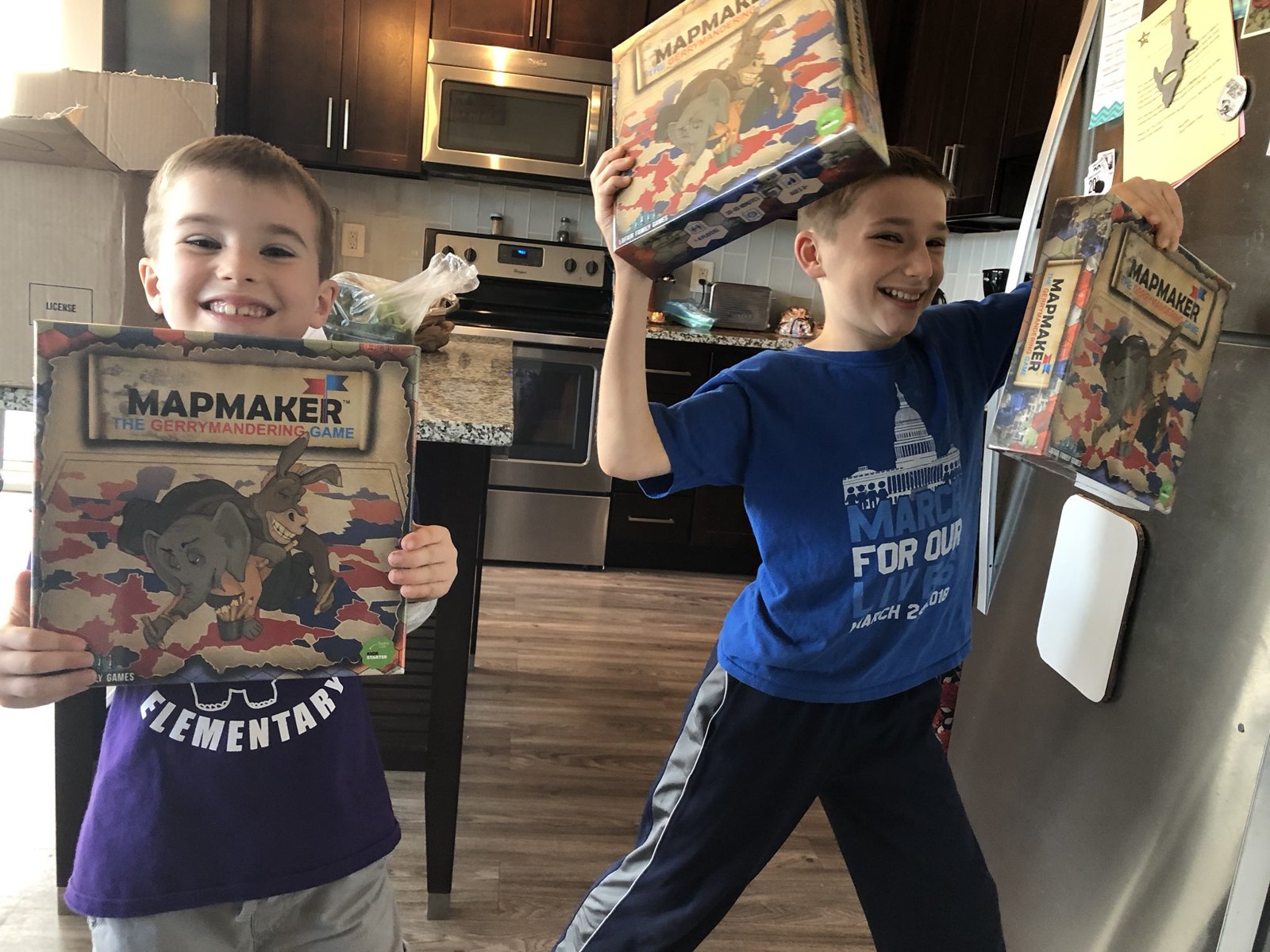
Thanks to 1,468 backers...
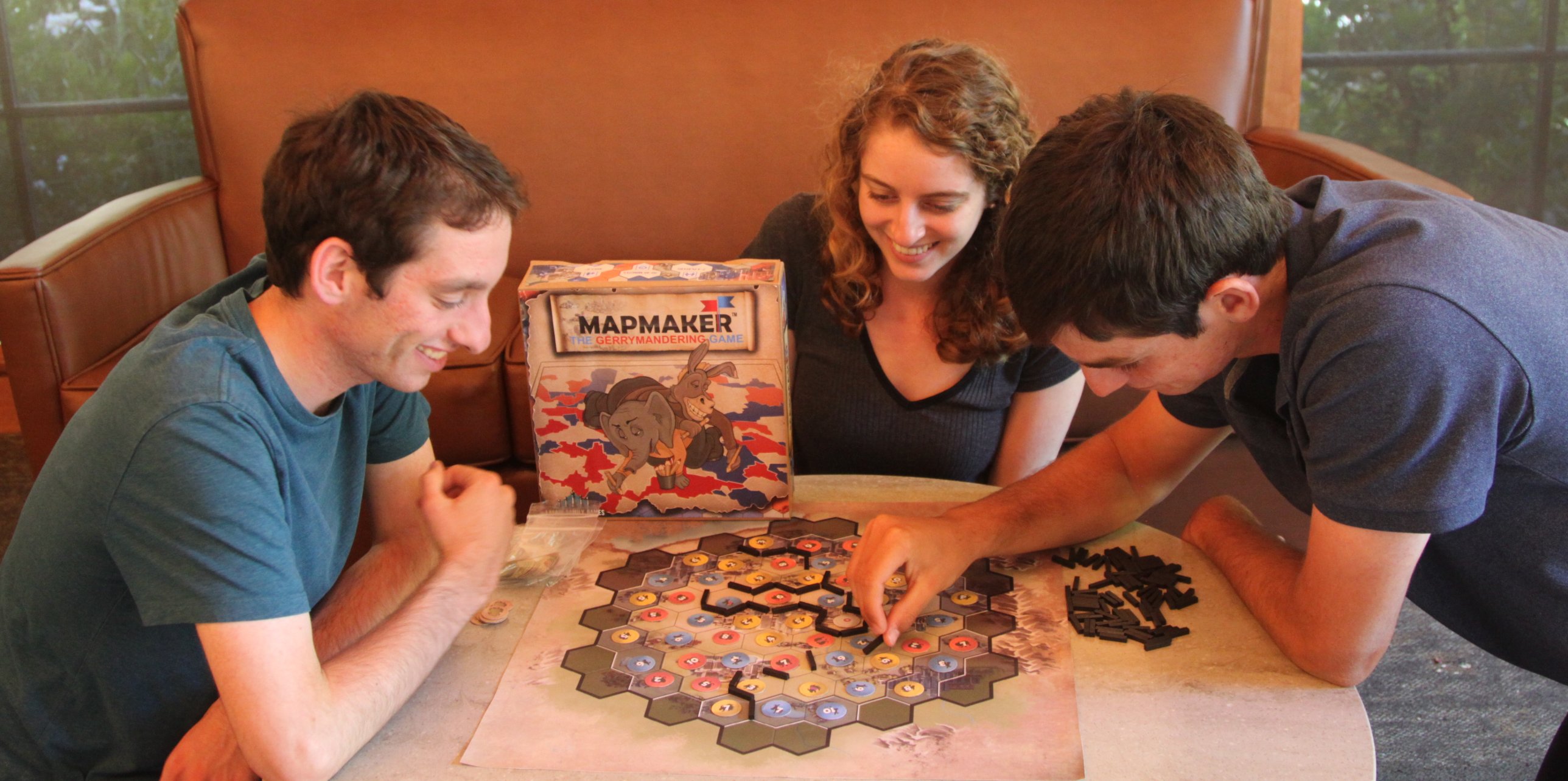
...the game became a reality.
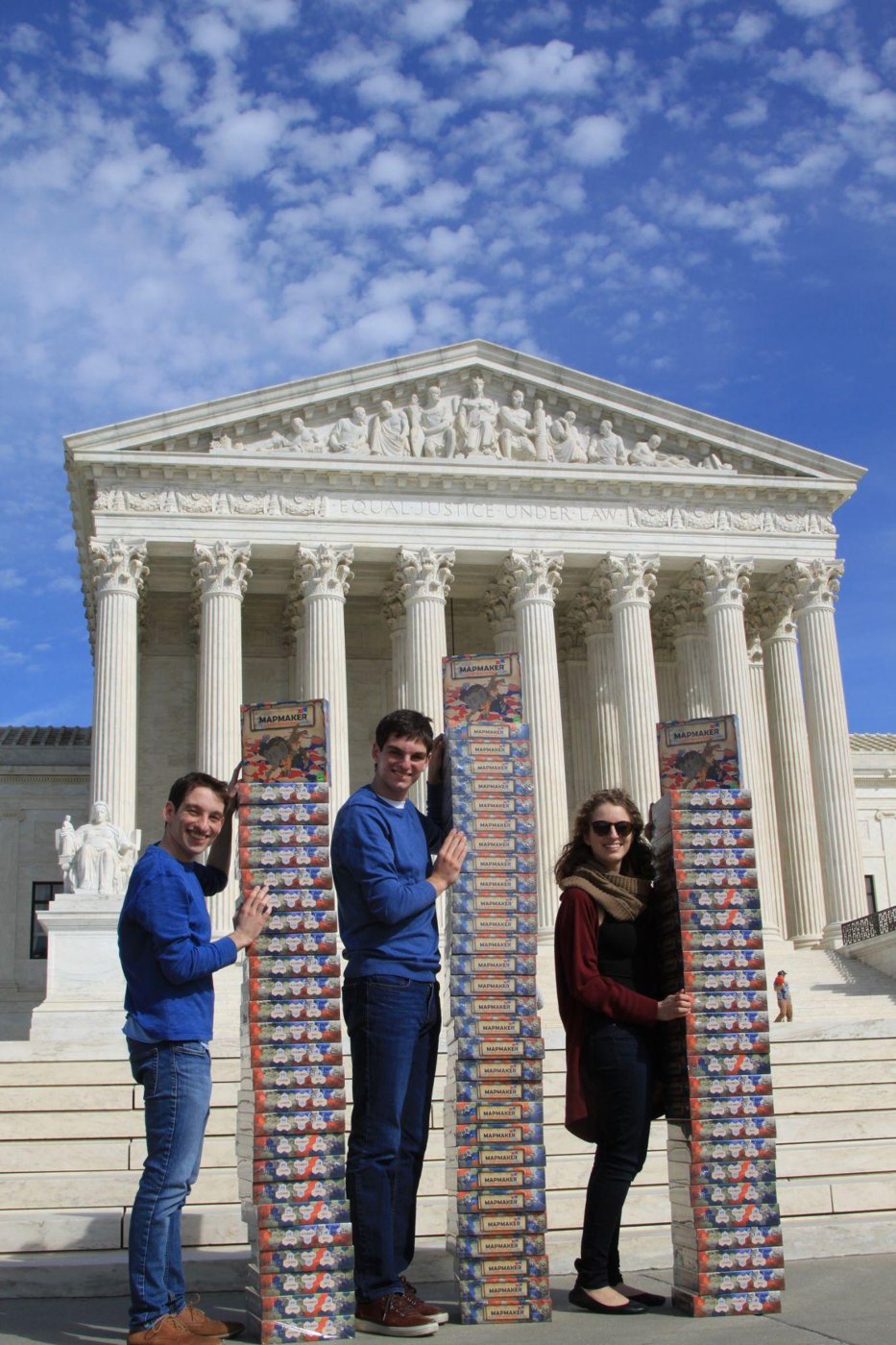
Backers ordered 82 copies of Mapmaker for the Supreme Court.
On March 26, 2019, during Rucho v. Common Cause, we delivered them ourselves, with a “Gerrymandering Is Not a Game” proclamation in each box.
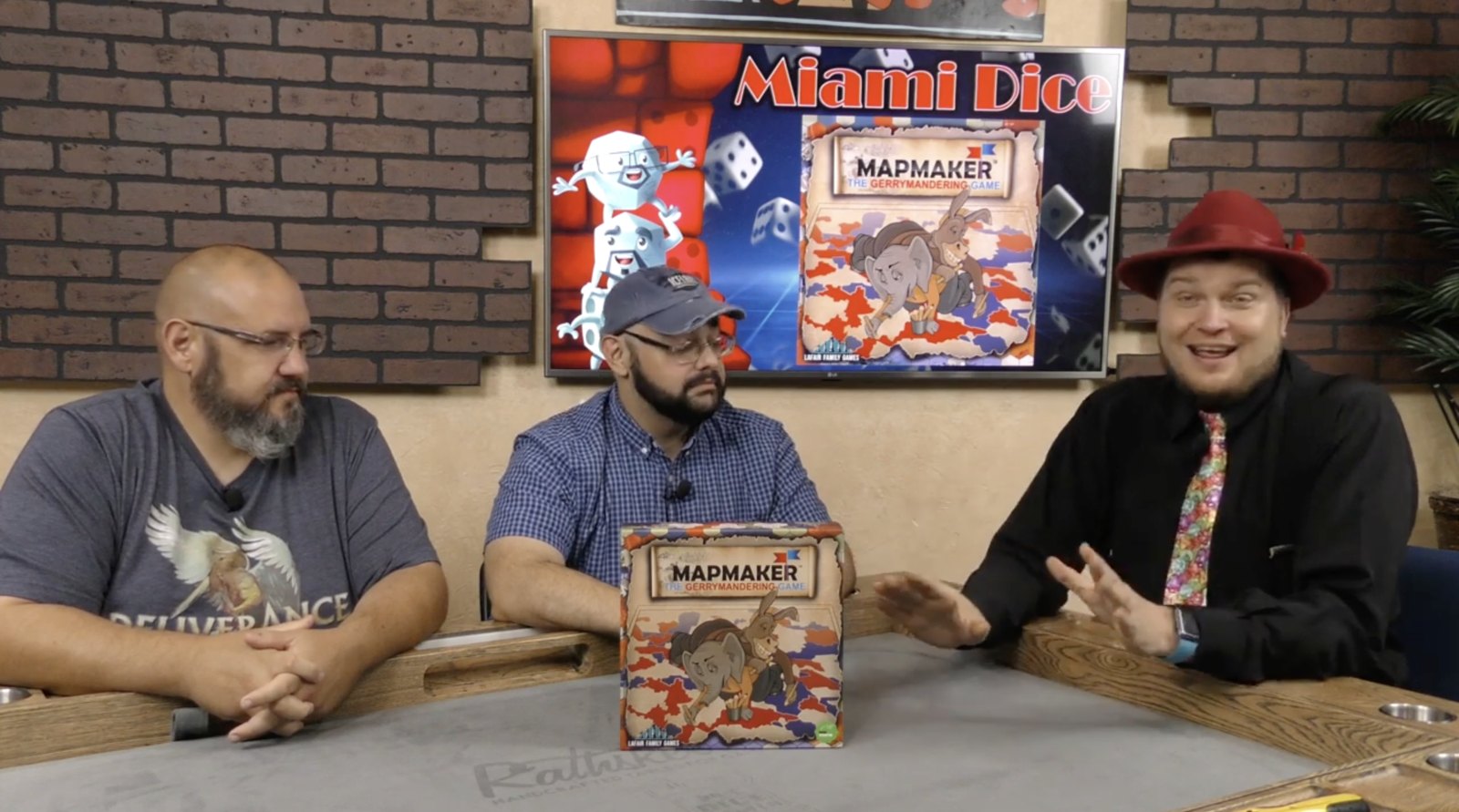
Mapmaker ended up on NBC, NPR, and other national news.
I’ve especially loved seeing students play Mapmaker to learn about gerrymandering in classrooms.
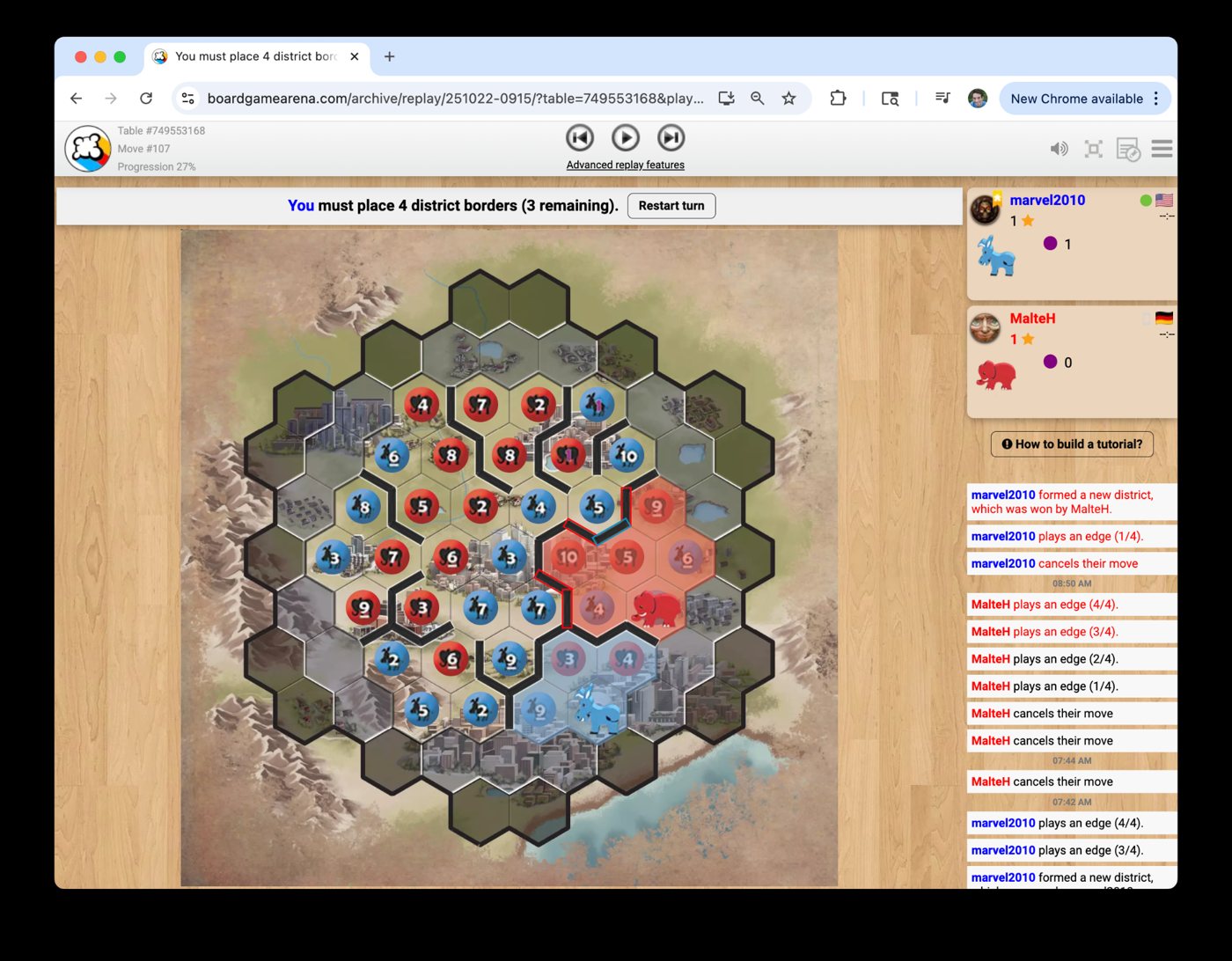
We made Mapmaker available for free online at Board Game Arena, where it’s still played, on average, dozens of times a day.
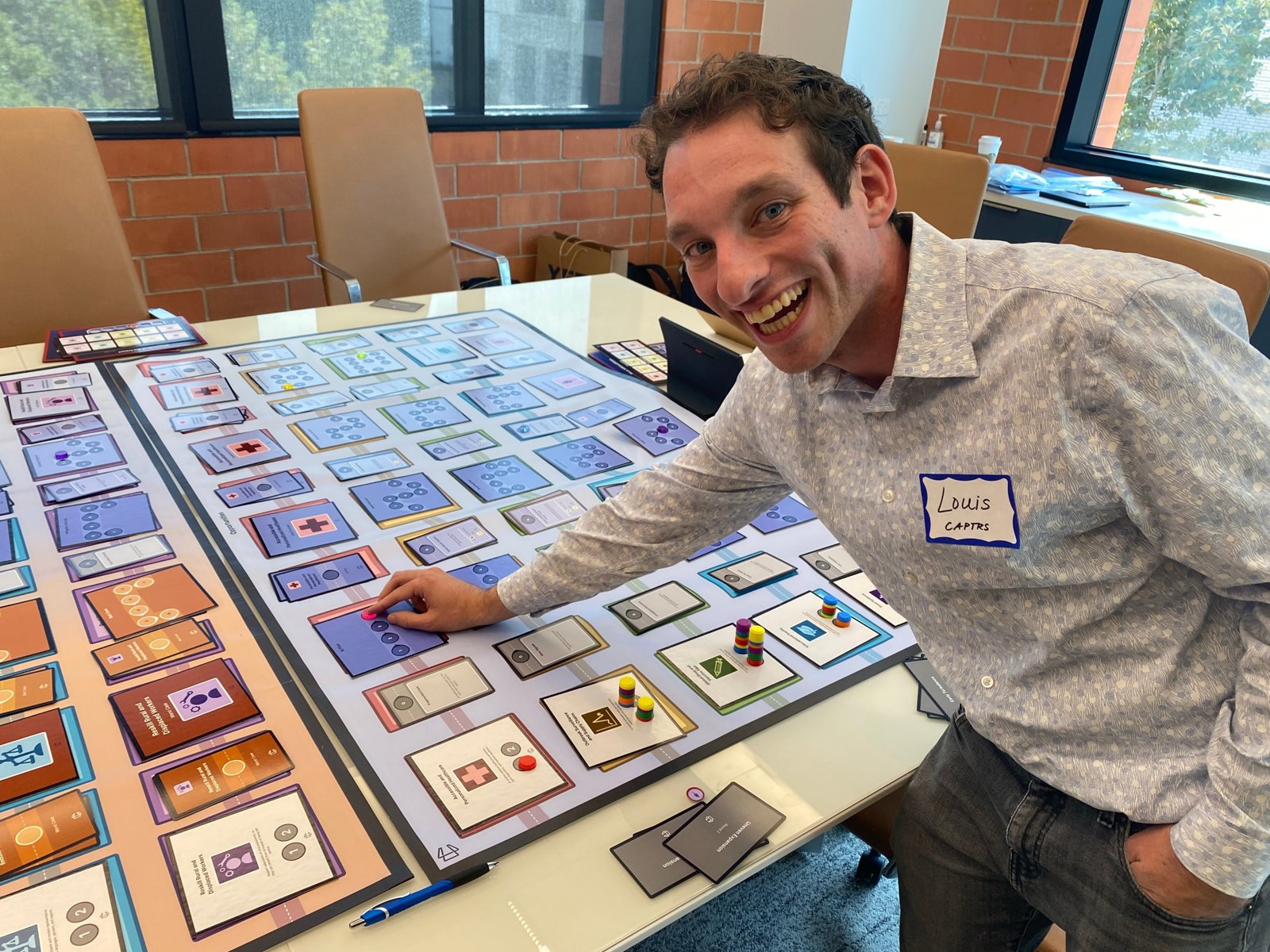
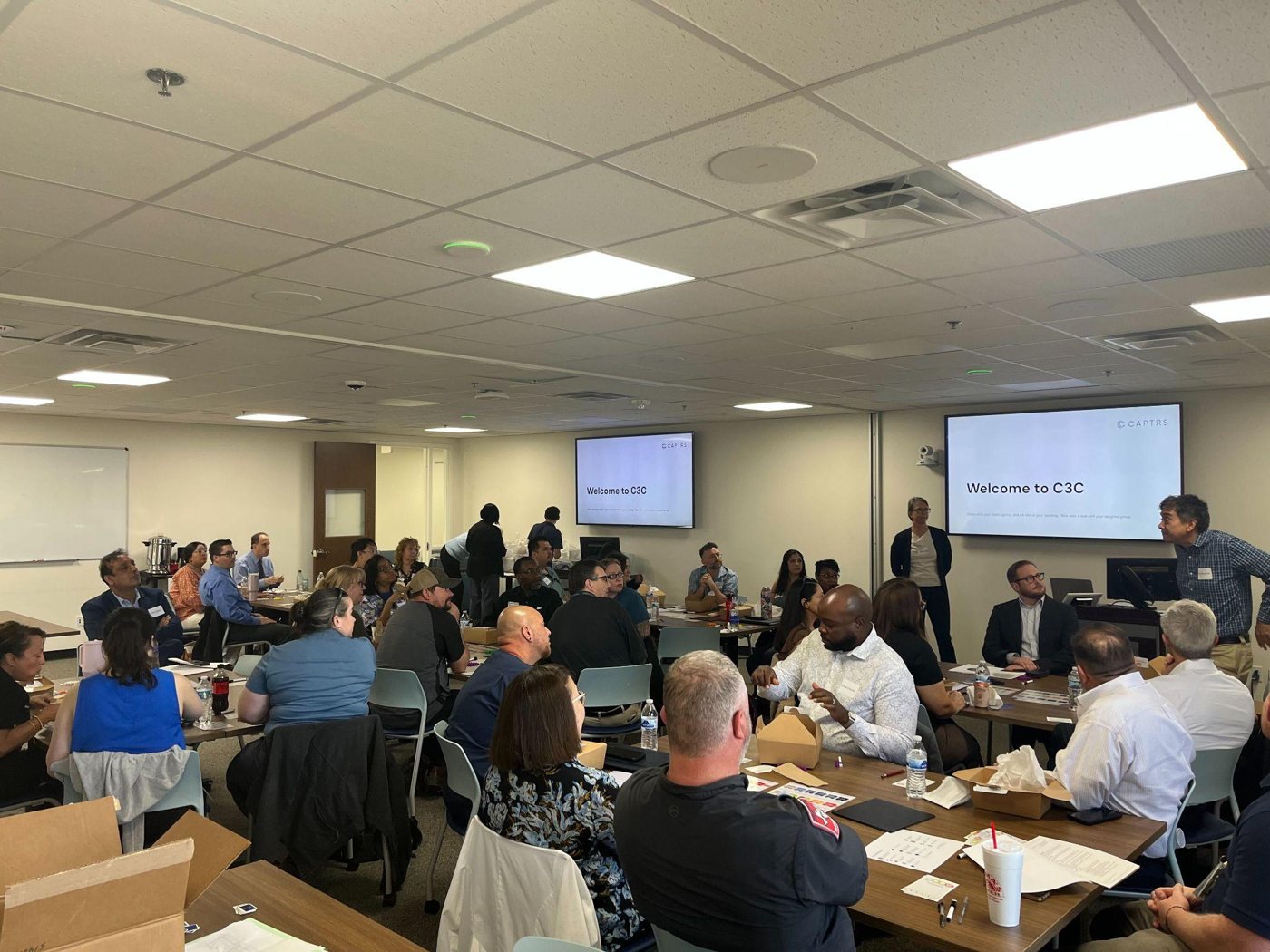
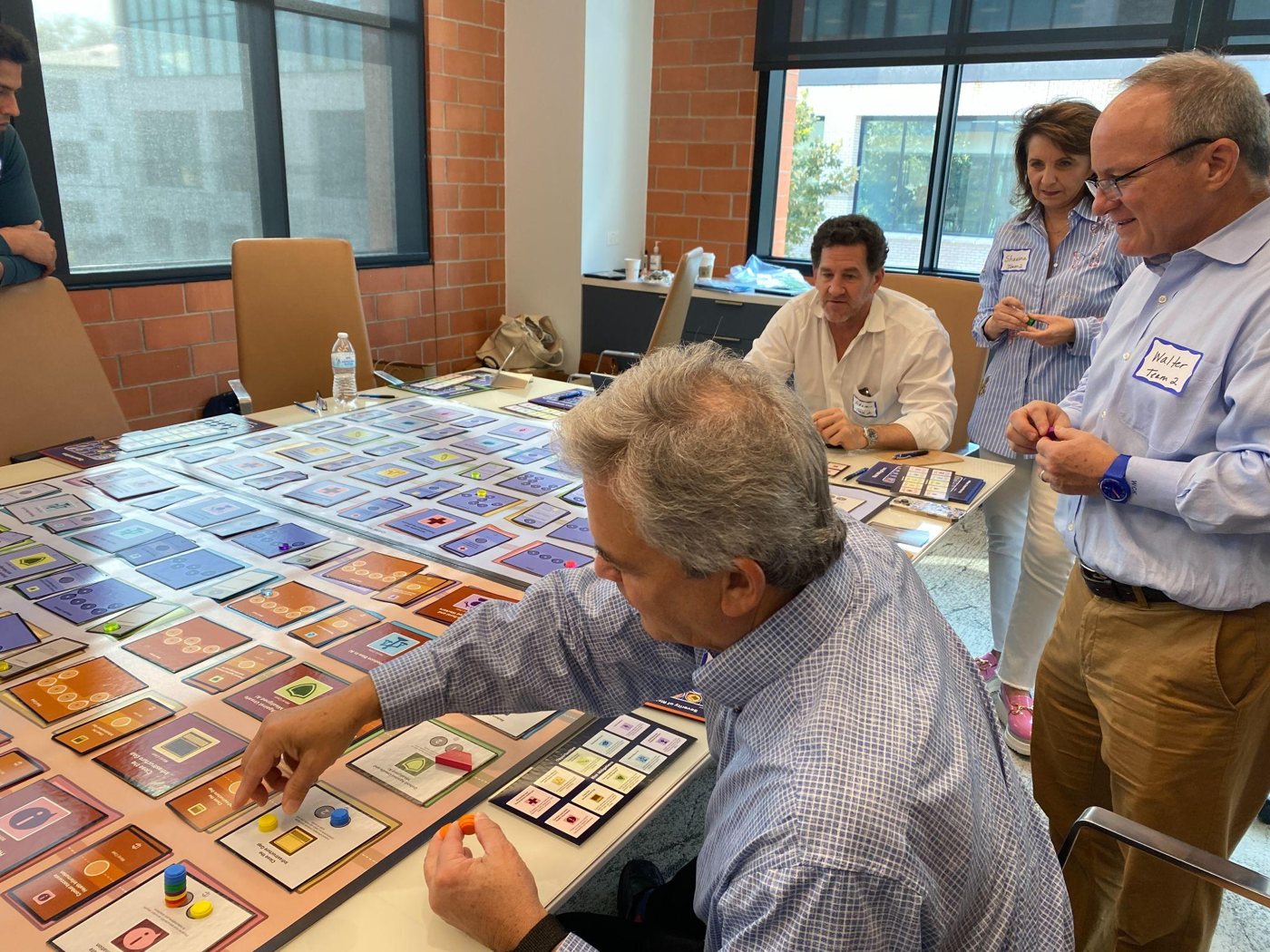
I now work at the non-profit CAPTRS, the Center for Advanced Preparedness and Threat Response Simulation.
I design simulation games to help teams prepare for threats like measles (for public health agencies) and shuttle disasters (for NASA).
During emergencies, different agencies have different backgrounds and plans, so coordination breaks down.
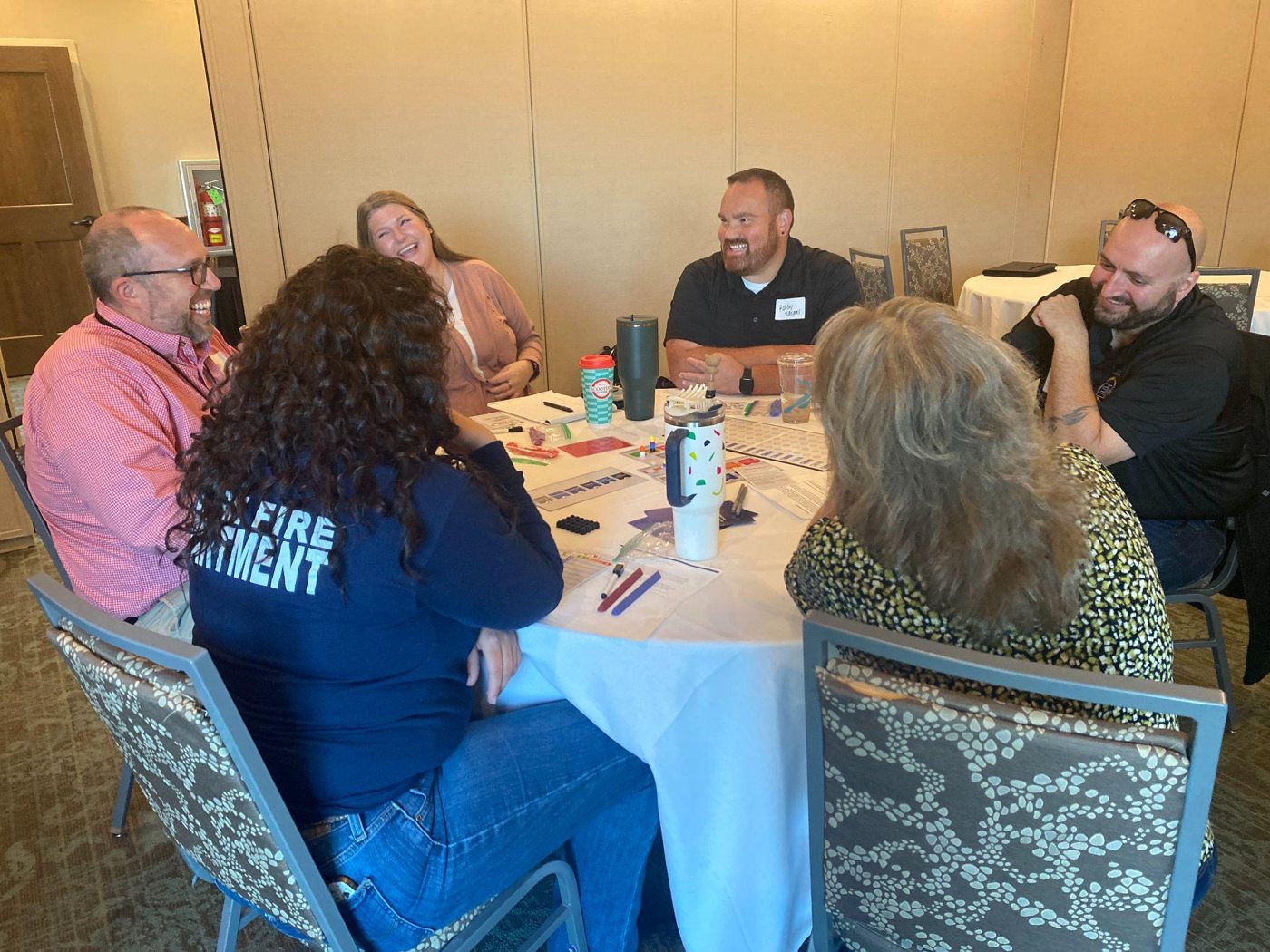
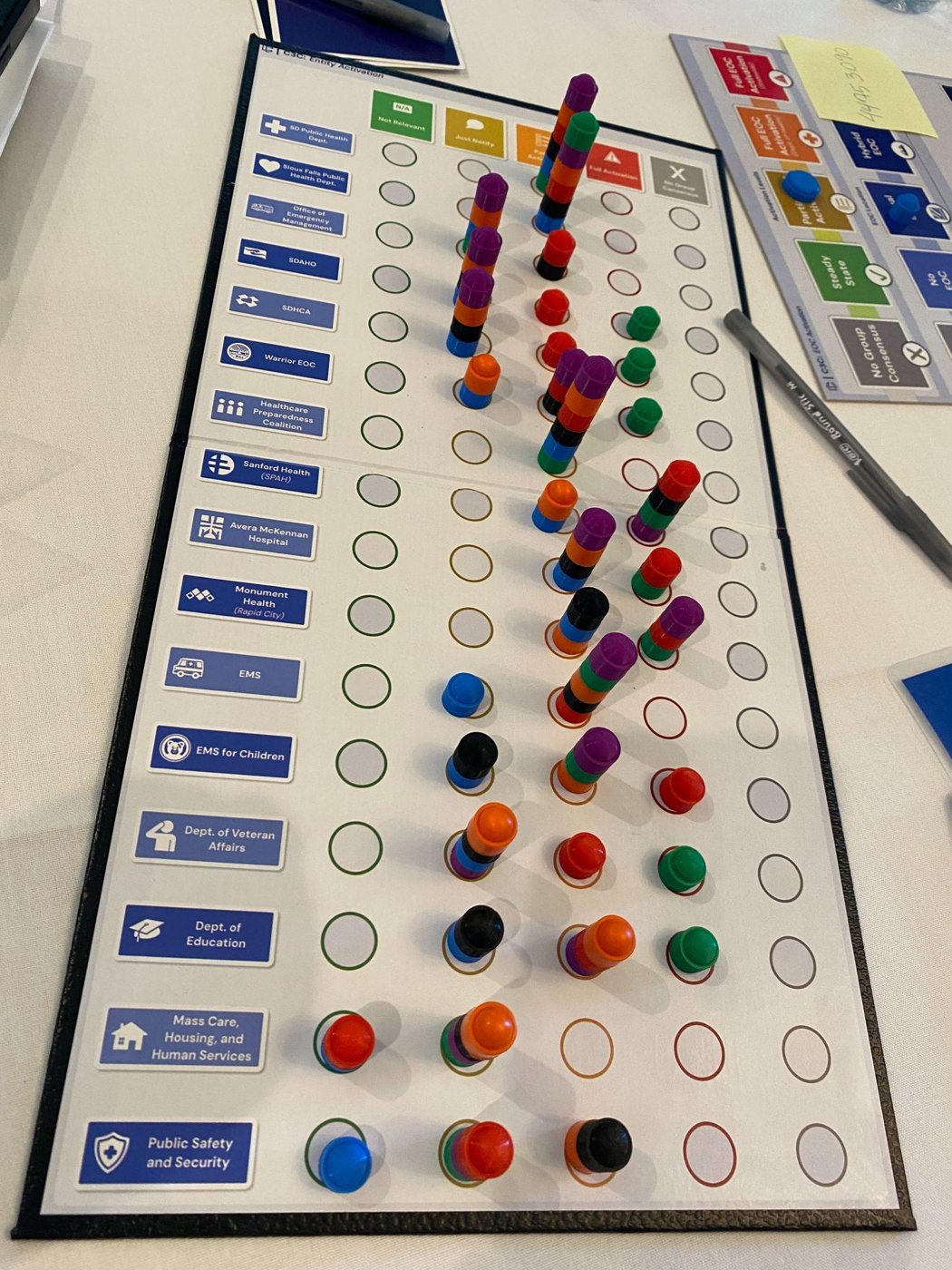
The C3C (Command, Control, Coordination, & Communication) game helps reveal misalignments and build shared understanding, so agencies can respond better together when it counts.
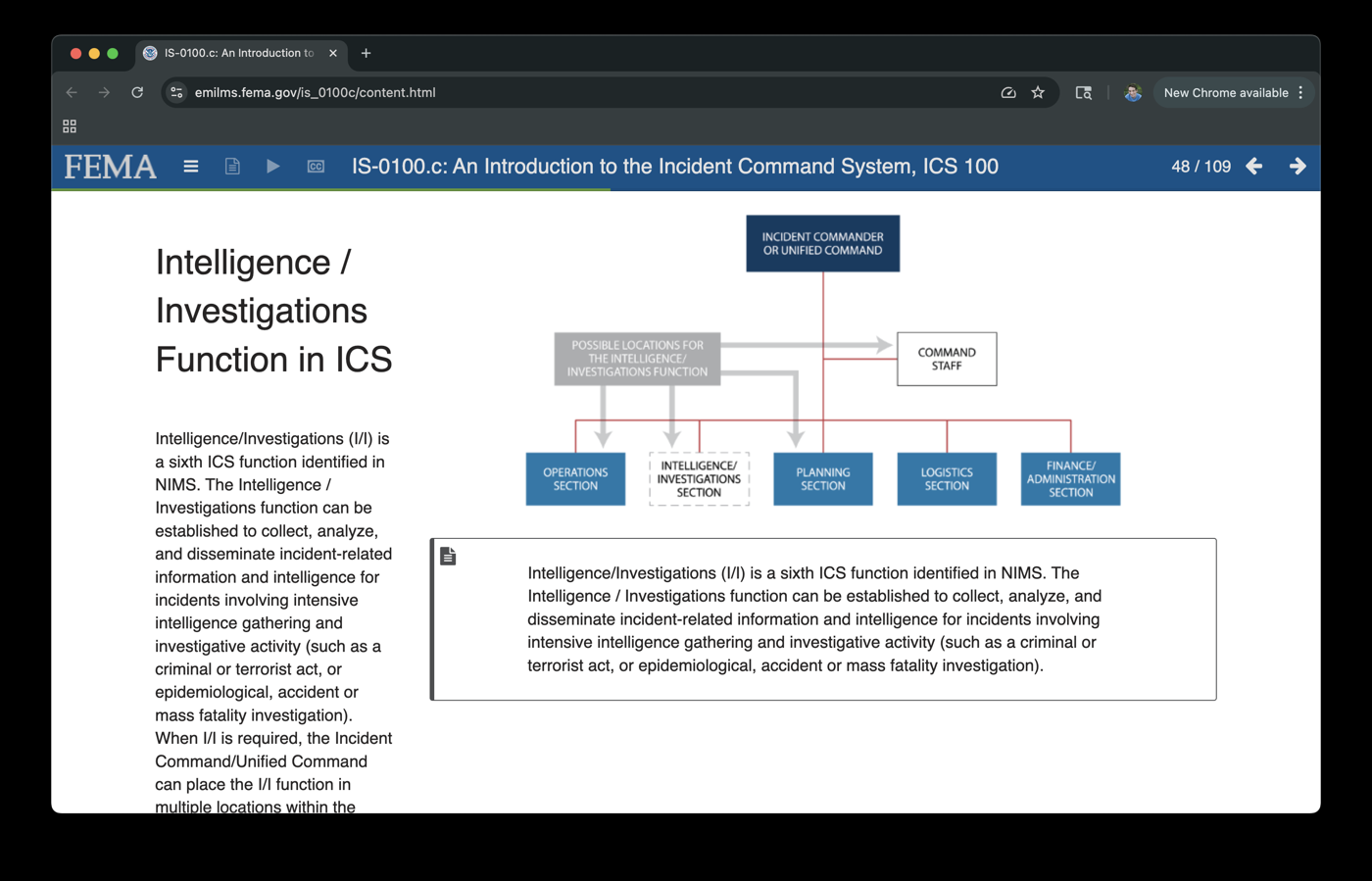
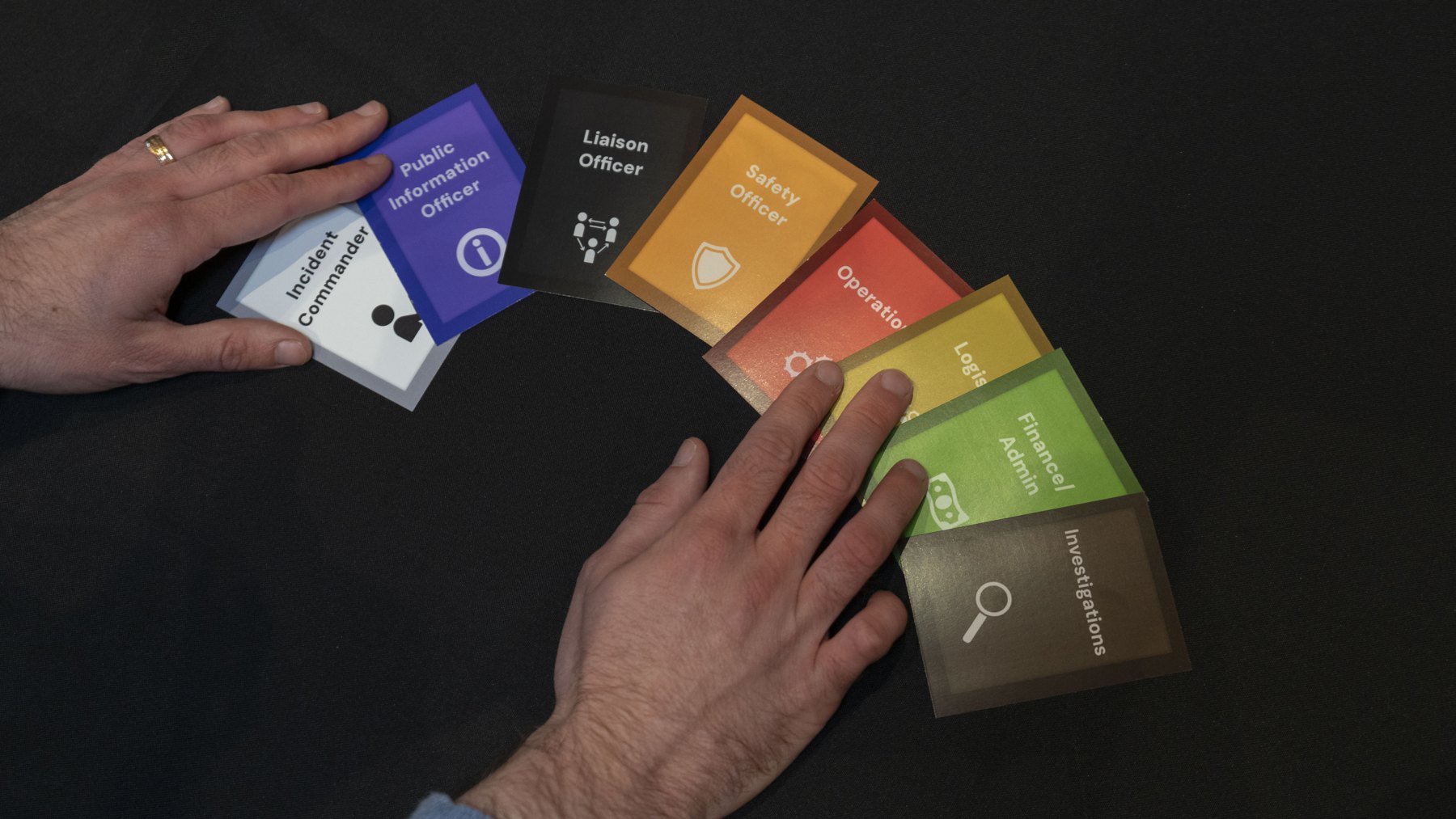
Running C3C, I noticed that many players didn’t understand the Incident Command System, a standard part of every response. Traditional ICS training is dry and forgettable.
So I designed the ICS Roles game to teach ICS in a quick, hands-on way.
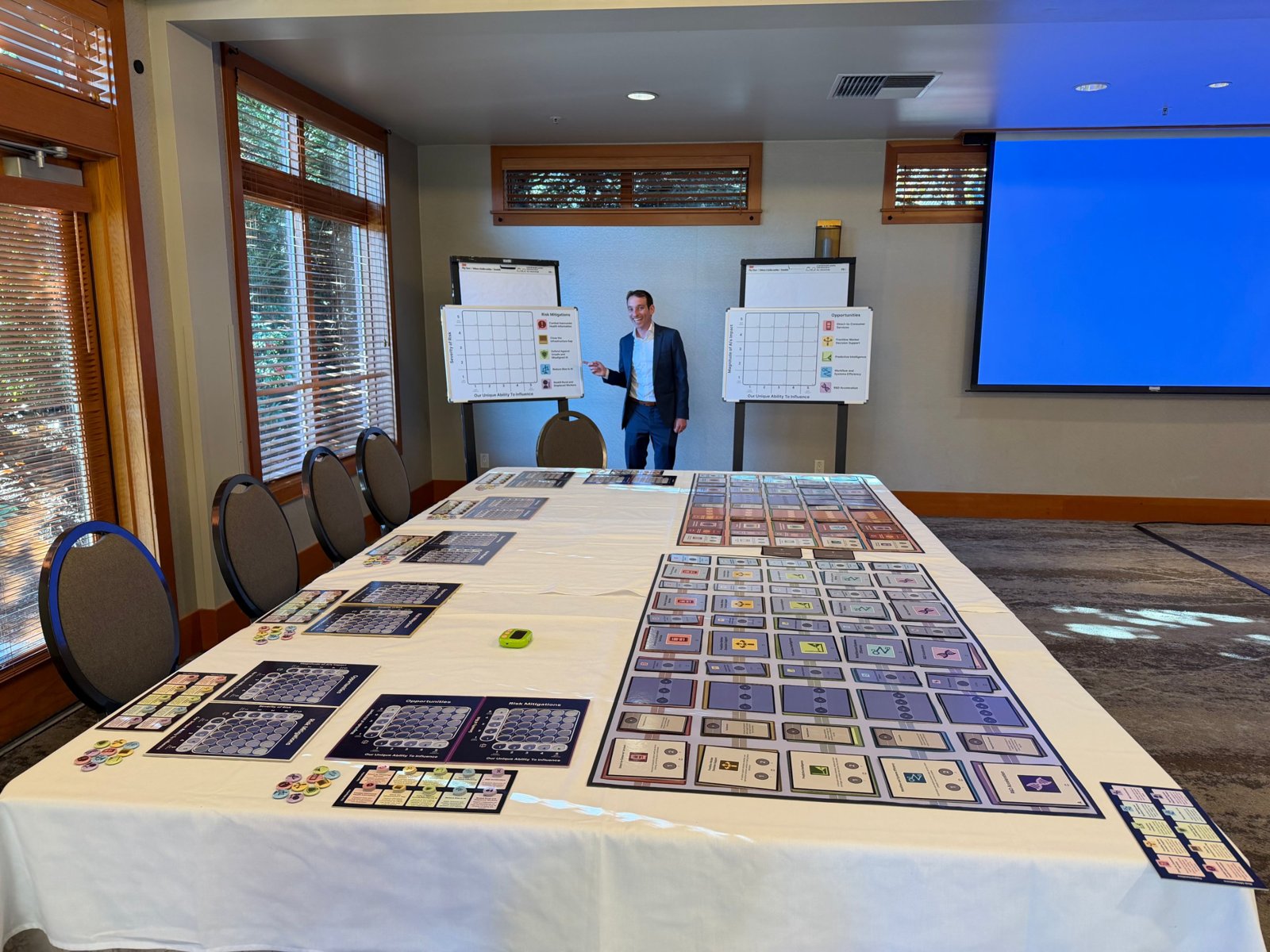
I’ve also designed the Strategic Prioritization game for the Gates Foundation leadership team, exploring the future of AI.
I’m now working on a suite of AI threat simulation games for response teams to identify gaps in their plans.
Games help us practice skills, simulate outcomes, learn, and grow together.